Propylene Glycol & Polypropylene Glycol Overview

Summary Data Sheet

This section, Propylene Glycol and Polypropylene Glycol Overview, and the next section, Summary Data Sheet, contain similar information. The Summary Data Sheet is more succinct and has a few additional technical details.

Skip to Summary Data Sheet
Lubrication Data Sheet Icon

This data is applicable to anal fisting only.

There are additional concerns related to vaginal fisting that are not discussed nor considered in this topic.

General Lube
OB Lube Concentrate
Fist Lube
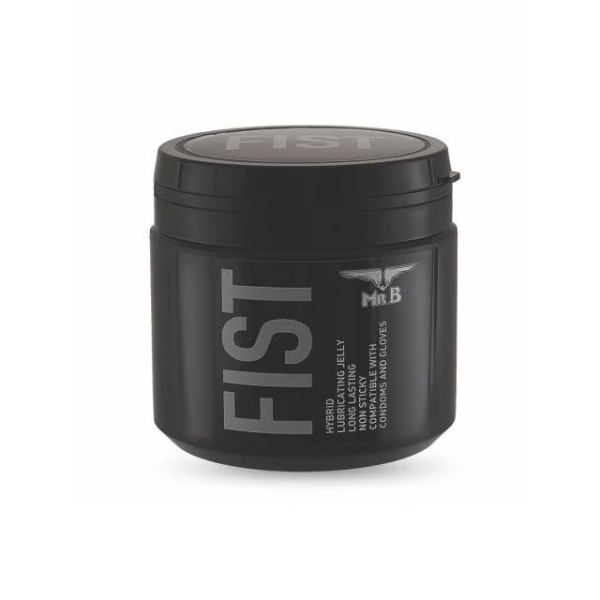
Figure 1.1: Many Lubricants have Propylene Glycol
Figure 1.1 [ A - C ]: Various Lubricants with Propylene Glycol

Both obstetrical and fisting lubes use propylene glycol. These include but are not limited to: OB Lube®, General Lube®, and Fist by Mr. B.®.

Composition and Properties

Propylene glycol (PG) and polypropylene glycol (PPG) are two distinct substances created from Propylene Oxide. Both are used in pharmaceutical, cosmetic, and personal care products; however, PPGs are not very common in fisting lubricants. In addition to their absence in lubricants, PPGs are also not commonly used in the food industry. PG is an extremely common additive in processed foods.

In personal care items (lubricants), PG may be used as a humectant, solvent, preservative, or flavor carrier. It increases lubricity, keeps the mucosal lining moist, and to prevents lubes from drying out on the shelf over time. It also helps bind ingredients together that are otherwise immiscible.

Propylene Glycol

The two most common names for PG are propylene glycol and propanediol.

The synthetic formulation, Propanediol (1,2), is made from petroleum. The natural formulation, Propanediol (1,3), is made from corn sugar. Both formulations are clear liquids with no odor, no taste, and an oily, rather than syrupy, consistency.

Polypropylene Glycol

PPG may be referred to as polypropylene glycol, polypropylene oxide, or PPG diol. It should not be confused with polyethylene oxide (PEO) or polyethylene glycol (PEG).

PPG is not a common lubricant additive but is frequently found in other personal care products.

Base CAS | E Synonyms
PG 57-55-6
E 1520
  • propylene glycol
  • propanediol
  • methyl glycol
  • methylene glycol
PPG 25322-69-4
No E Number
  • polypropylene glycol
  • polyoxypropylene (n)3
  • polypropylene glycol (n)3
Table 1.1: Various Identifiers for PG and PPG

PG and PPG have various synonyms. CAS and E numbers can be used to find common properties and safety details.
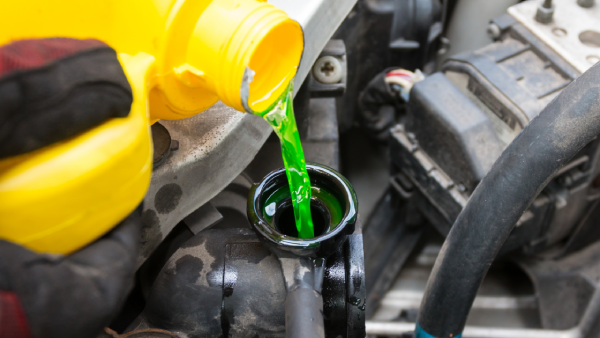
Etylene Glycol in Antifreeze
Figure 1.2: Propylene vs Ethylene Glycols

Anti-freeze made from ethylene glycol is toxic to humans. Anti-freeze from propylene glycol is safe for humans and pets.

Propylene glycol is sometimes confused with ethylene glycol, polypropylene glycol, and polyethylene glycol (polyethylene oxide). Ethylene glycol is the sweet tasting ingredient in anti-freeze and is toxic to animals and humans. Propylene glycol is sometimes used as an additive in certain antifreezes but has no taste and is not toxic at low levels.

QUICK REFERENCE

Safety

Fisting is an off-label use for these products. Limited studies exist regarding usage levels common with fisting. Fisting may expose you to larger quantities of allergens or toxic materials than those consumed/absorbed through ingestion or surgical processes.

As with all other lubricants, fisters ignore acceptable use standards published by manufacturers, the FDA, the EFSA, and the World Health Organization (WHO). For PG, the WHO recommends a maximum intake of 25 mg/kg (11.4 mg/pound) per day. Based on a density of 1.04 g/mL, this translates to about 2 mL or a half teaspoon of use per day. In a single session, fisters may be exposed to 500 times that amount.

PG is hypo-osmolaric and pH neutral; however, many lubes that use PG as an ingredient are actually hyper-osmolaric and outside normal pH values. Hyper-osmolaric and hypo-osmolaric substances can cause cell damage or death; limited studies with PG-based lubes on rectal tissue are available to confirm any short term or long term damage.

Lube purists are averse to lubes with PG because of misinterpreted studies, confusion with compounds with similar names (PPG and EG), and published MSDS sheets that indicate it could trigger an immune response resulting in inflammation, discomfort, intestinal distress, and potentially anaphylactic (full body) allergic reactions. PG and all other lubricant bases can trigger similar allergic responses.

It is rare to find a lubricant with only PG, so attention must be paid to other ingredients to determine toy and gear compatibility. Obstetrical lubricants that contain only PG and CMC are safe for all toys and all gear.

Dimensional Analysis
Figure 1.3: Maximum Daily Allowance

Based on regulatory standards, an 80 kg (175 lb.) male is allowed 2 mL (1/2 teaspoon) of PG per day. Higher usage has not demonstrated immediate side effects, but large volume injection could be problematic if a perforation allowed passages into the peritoneal cavity.

Sanitation and Disposal

Compared to PEO, PG is easier to cleanup. It washes with soap and water and a little bit of scrubbing. It is not known to stain furniture, clothing, or bedding; however, it is often coupled with lipids, petroleum distillates, and silicone which may stain or leave indelible marks.

Environmentally, PG degrades easily and does not linger in streams, rivers, lakes, and oceans. It is harmless to aquatic life. The data on PPG is less clear.

QUICK REFERENCE
UV Lights on Lube
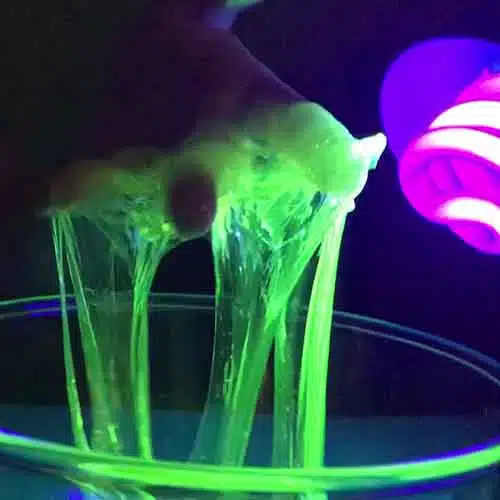
Figure 1.4: Degradation in UV Light

Extended exposure to UV light (from black lights or sunlight) and air will cause PG to degrade faster than normal. It should be stored in a dark dry place.

Most lubes with propylene glycol have parabens or other preservatives that extend shelf life for long periods of time. Even lube used in the play area does not typically need to be discarded immediately after a session ends.

Follow any expiration dates on lube packaging. Propylene glycol is stable for at least two years when stored at ambient temperatures in closed containers and away from sunlight and other sources of UV light. Discard remaining lube after two years as it will have degraded and lost lubricity.

Pure PG can be poured down the drain to be processed by sewage systems.

Recycle empty containers.

Marketing, Value, and Availability

Remember that PG is rarely a single-ingredient lube. OB and veterinary lubes are highest content PG lubes. Cost for OB and veterinary lube is very economical; however, shipping liquids may double the price paid for the lubricant. Purchase liquids at farm supply stores.

Fisting Considerations and Notes

Due to degradation in vast amounts of water, these lubes are not ideal for shower play or pool play.

Summary Data Sheet

This section, Summary Data Sheet, and the previous section, Veterinary/Obstetrical Overview, contain similar information in differing formats. The Veterinary/Obstetrical Overview has practical insight into data discussed below.

An explanation of the Fist Theory© summary data sheets is available in the course: Lubrication Bases.

Summary Data Sheet: PG and PPG

General

Propylene glycol (PG) is the primary liquid ingredient in many lubes. PPG is rarely found in personal lubricants.

Lubricity & Viscosity:
High / Moderate
Active Ingredient(s):
Propylene glycol and polypropylene glycol
Active Ingredient Identifier(s):
CAS | 57-55-6 (PG); 25322-69-4 (PPG)
Additional Additives:
N/A
Safety

Grades in Use:

  • Food and Pharmaceutical Grade (FG)
  • Medical or Surgical (MG)
  • Dermatological Grade (DG)
  • Industrial Grade (IG)
  • Veterinary Grade (VG)
Known Hazards & Toxicity:
PG and PPG are considered non-toxic and non-irritative when exposure is limited and minimal.

Note: Manufacturers usually assume low consumption of less (1 teaspoon) for regular use. Toxicity or hazards related to fisting, including increased consumption and anal usage, are not evaluated. A typical session utilizes at least 250 mL (1 cup).

Sexually Transmitted Infections:
In the context of fisting, no lubrication is certified to reduce or prevent transmission of STIs. Standard protocols and testing should be implemented.
Microbial Infections:
PG-based lubrications are usually antimicrobial.

Toy Compatibilities:

  • PVC
  • Silicone

Condom/Glove Compatibilities:

  • Latex/Nitrile
  • PVC
  • Rubber
Disposal and Cleanup (Sanitation)
Expiration:
Discard unused lube after 24 months. Mixed lubes exposed to play area do not necessarily need to be discarded after the session ends.
Disposal Instructions:
Recycle old containers or discard unused lubrication in the drain or trash.
Removal Instructions (Skin):
Apply removal agent (soap) to exposed skin prior to application of water. Rub in thoroughly and rinse. Repeat as needed.
Removal Instructions (Fomites):
For furniture and carpets, soak up lube spills first before applying water or rubbing alcohol. For clothing, wash with gentle soap.
Value
Cost Per Coverage-Centimeter/Inch:
Low
Reapplication/Rehydration Frequency:
Moderate
Availability
Online:
Direct-from-manufacturer (avoid Amazon, Alibaba)
Physical Locations:
Novelty shops (PG), farm supply stores (PG).
Labels:
OB Lube™, General Lubricant©, and various others.
Fisting Considerations / Notes

PG (by itself) has less viscosity and lubricity than PEO mixed at the golden ratio. While functional, they may not be ideal for depth play or heavy punch play. Reapplication frequency in those scenes could be tedious.

Safety Data Sheets

General Evaluation and Comparisons

The principal active ingredients, PG and PPG, were evaluated in the following four areas (relative to other lubrication base ingredients):

Standard Lubrication Evaluation

Safety

Low Toxicity

πŸ‘ŠπŸΌ πŸ‘ŠπŸΌ πŸ‘ŠπŸΌ πŸ‘ŠπŸΌ

Shelf Life

πŸ‘ŠπŸΌ πŸ‘ŠπŸΌ πŸ‘ŠπŸΌ πŸ‘ŠπŸΌ

Condom/Toy Compatible

πŸ‘ŠπŸΌ πŸ‘ŠπŸΌ πŸ‘ŠπŸΌ πŸ‘ŠπŸΌ πŸ‘ŠπŸΌ

Limited Allergens / Irritants

πŸ‘ŠπŸΌ πŸ‘ŠπŸΌ πŸ‘ŠπŸΌ πŸ‘ŠπŸΌ πŸ‘ŠπŸΌ

Cleanup

Washes Easily

πŸ‘ŠπŸΌ πŸ‘ŠπŸΌ πŸ‘ŠπŸΌ

Unlikely to Stain

πŸ‘ŠπŸΌ πŸ‘ŠπŸΌ πŸ‘ŠπŸΌ πŸ‘ŠπŸΌ πŸ‘ŠπŸΌ

Application

Lubricity

πŸ‘ŠπŸΌ πŸ‘ŠπŸΌ πŸ‘ŠπŸΌ πŸ‘ŠπŸΌ

Viscosity

πŸ‘ŠπŸΌ πŸ‘ŠπŸΌ πŸ‘ŠπŸΌ πŸ‘ŠπŸΌ

Minimal Rehydration

πŸ‘ŠπŸΌ πŸ‘ŠπŸΌ πŸ‘ŠπŸΌ

Acquisition

Cost per Coverage Area

πŸ‘ŠπŸΌ πŸ‘ŠπŸΌ πŸ‘ŠπŸΌ

Ubiquity

πŸ‘ŠπŸΌ πŸ‘ŠπŸΌ πŸ‘ŠπŸΌ

A full comparison chart between PG, PPG and other lubricants, as well as an explanation of each evaluation category is available in the course: Lubrication Bases.

Legend: Evaluation Qualities
πŸ‘ŠπŸΌ πŸ‘ŠπŸΌ πŸ‘ŠπŸΌ πŸ‘ŠπŸΌ πŸ‘ŠπŸΌ
Superior
πŸ‘ŠπŸΌ πŸ‘ŠπŸΌ πŸ‘ŠπŸΌ πŸ‘ŠπŸΌ
Above Average
πŸ‘ŠπŸΌ πŸ‘ŠπŸΌ πŸ‘ŠπŸΌ
Average
πŸ‘ŠπŸΌ πŸ‘ŠπŸΌ
Below Average
πŸ‘ŠπŸΌ
Inferior

Course Appendix

The following material may guide the development and deployment of this topic:

Objectives

Upon completing this course, the student will be able to:

  • Provide the maximum allowed daily allowance of PG according to the WHO.
  • Give the most common synonym for PG that would appear on a lube label.
  • Identify two source materials for PG.

Note: Objectives should follow instructional design standards and be easily measurable with little ambiguity.

Supplemental Content
Blog Articles
  • Lube Snob? You already disregard regulatory warnings.
F2 Promotional Materials
  • Skills: N/A
  • Protocols: N/A
  • FWOTD:
    • Propanediol (1,2 and 1,3)
Outline (Proposed)
  • PG and PPG Overview
  • Composition and Properties
  • Propylene Glycol
  • Polypropylene Glycol
  • Safety
  • Sanitation and Disposal
  • Marketing, Value, and Availability
  • Fisting Considerations and Notes
  • Summary Data Sheet
  • Safety Data Sheets
  • General Evaluation
F2 Resources

These individuals have indicated they continue fisting with this condition:

  • N/A
Brain Dump - Staging Area
          Of all the articles of lube, this is the most
            well researched; however, it feels the least like actual
            bases. Oh the anxiety!
        
Publication Quick Links
Developer's Toolkit | Nu HTML Checker